The Best Places to Stay in Cornwall: A Regional Guide for First-Time Visitors

Cornwall is bigger than first-time visitors expect. Eighty miles end to end, with three coastlines, two distinct seascapes, several hundred named beaches and dozens of towns and villages each with their own character. Choosing where to base yourself matters more than people realise, and the wrong choice can mean spending half your holiday in the car.
We divide the county into three zones: the rugged north, the serene south, and the wild west. Each has its own atmosphere, its own headline towns, its own kind of holiday. This is a region-by-region guide to the best places to stay in Cornwall, what each part of the county does best, and which suits which traveller.
How Cornwall is laid out
Cornwall is a long, narrow peninsula running south-west from the Tamar Bridge to Land's End. The driving distances matter: end to end is around 80 miles and takes two hours by car. Within Cornwall, the country lanes are narrow, the A-roads are slower than the map suggests, and high-summer traffic adds another half-hour to most journeys. Choose your base by what you most want to be close to.
The county breaks naturally into three zones, each with its own coastline, its own atmosphere, and its own set of headline towns. None is a long drive from any other (an hour at most), but each rewards a slightly different kind of holiday.
The rugged north
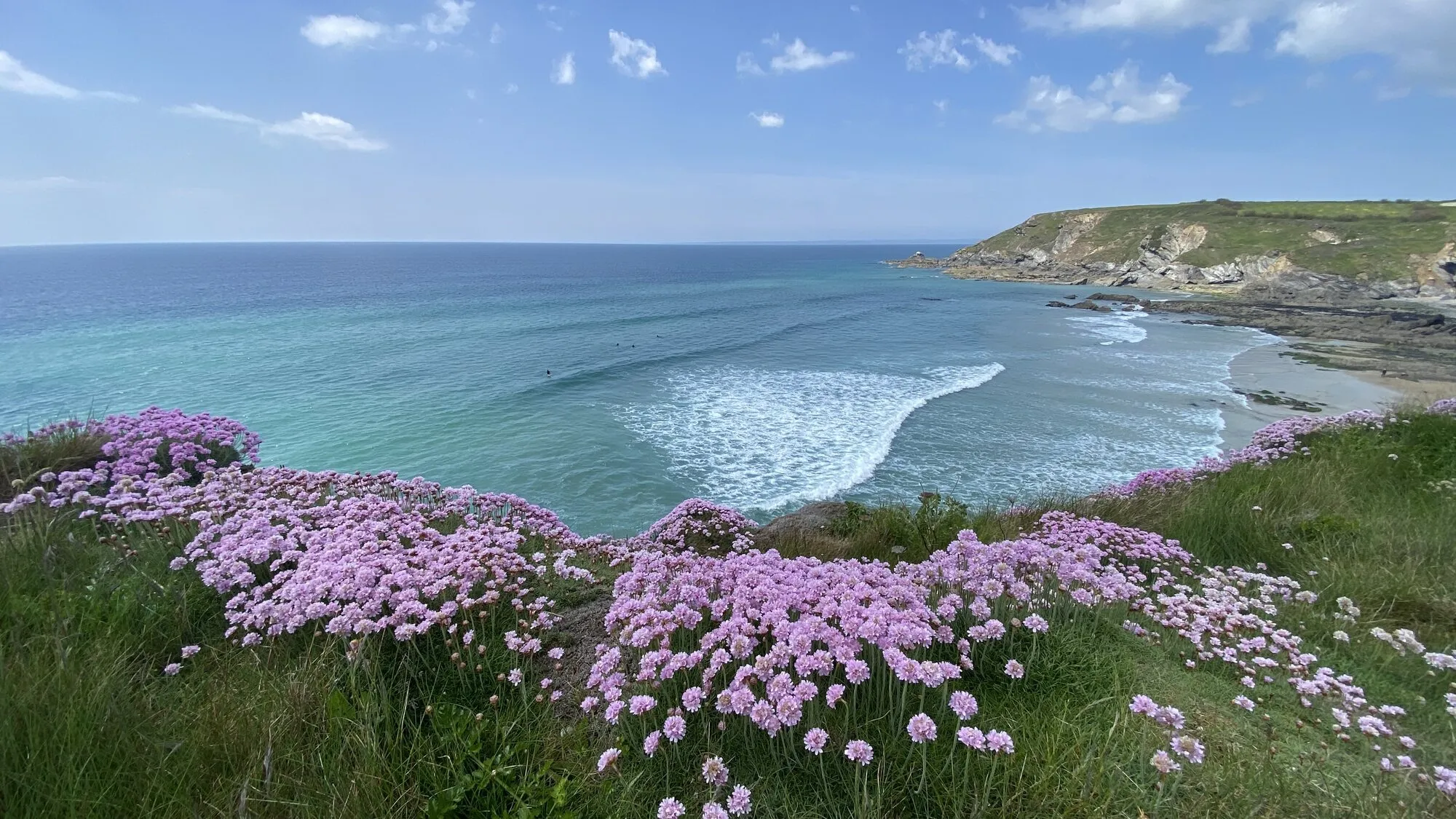
Cornwall's rugged north is characterised by its towering cliffs, by its Atlantic waves, by its ever-popular seaside resort towns, and by its surfing culture. From Bude in the far north past Tintagel and Boscastle, through Padstow and Newquay, down to Perranporth and Portreath, this is the dramatic, exposed, surf-and-sand side of Cornwall. In some of its towns there is a party atmosphere; on its quieter beaches there is the kind of empty cliff-and-sand tableau that has put Cornwall on the world surfing map.
Inland, the rugged north opens onto Bodmin Moor, all rough moorland, ancient stone circles and dark-sky country, with towns like Launceston and Camelford providing quiet rural bases for moor walking and stargazing.
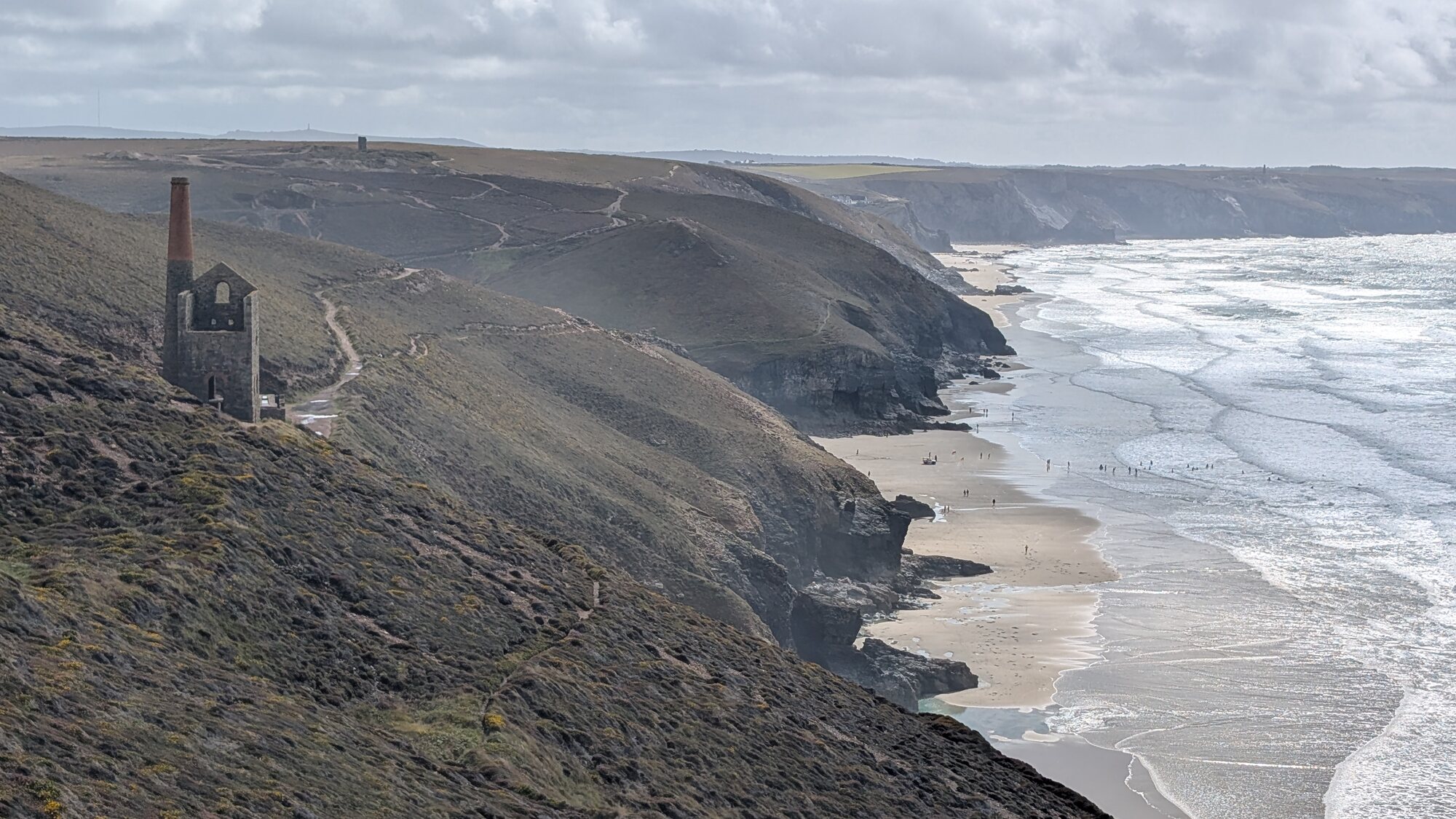
Stay on the rugged north if you want: surf, big beaches, big-name resort culture, the Padstow food scene, dramatic clifftop walking, the Tin Coast and the mining heritage of St Agnes and Pendeen.
Don't stay on the rugged north if you want: quiet beaches in summer, sub-tropical gardens, sheltered swimming, easy driving access to the Lizard or the Helford.
The headline north-coast bases are Padstow (foodie capital, Rick Stein country, busy in summer), Newquay (the surfing town, family-friendly, lots of accommodation), Polzeath and Rock (the smarter version of Newquay, beach-lovely, families and couples), St Agnes and Perranporth (former mining towns turned surf-and-walking villages), and Bude in the far north for the dramatic cliffs and the famous Bude Sea Pool.
The serene south
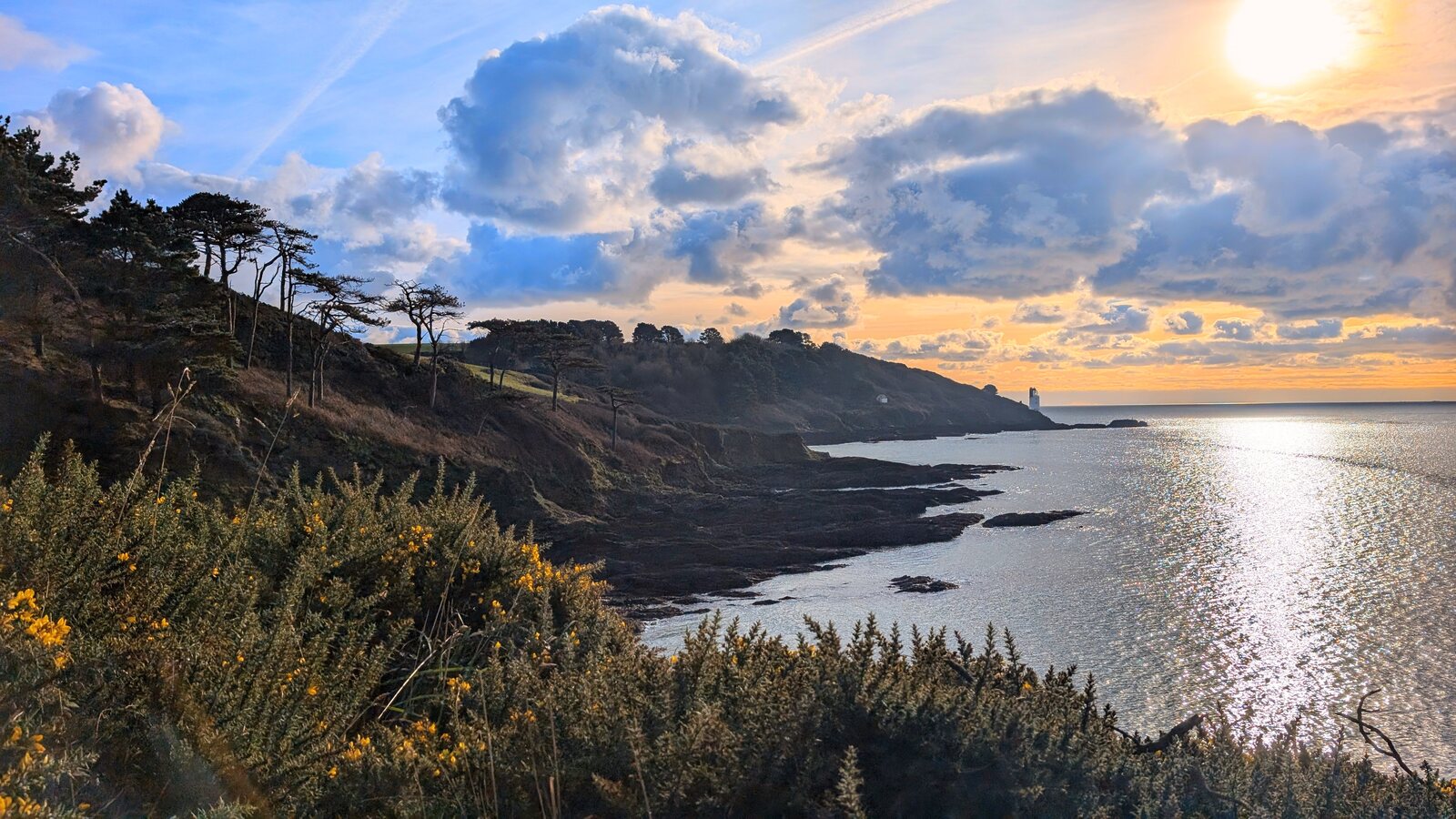
Cornwall's serene south is just what it says it is: tranquil, sheltered, sleepy. Hidden coves, secret beaches, secluded woodlands, endless cliff-top adventures, quiet river valleys, picturesque estuaries, and some of the most beautiful fishing villages in Europe. The sailing waters out towards France are forever fine, the countryside behind the Cornish Riviera is forever green and rolling.
This is garden country: the south coast's subtropical microclimate is what lets the headline Cornish gardens flourish, including Trebah, Glendurgan, Trelissick, Penjerrick, the Lost Gardens of Heligan and the Eden Project, all within an hour's drive of Falmouth. It is also harbour country: Falmouth holds the third-deepest natural harbour in the world, and its food and pub scene is, quite simply, charm personified.
Stay on the serene south if you want: sheltered swimming, sub-tropical gardens, harbour-side dinners, ferry rides, slower beaches, gentle walking, the National Trust's gentlest properties, an easy base for exploring all three zones.
Don't stay on the serene south if you want: big surf, the wide-Atlantic feel, the most-iconic beach scenery (which sits on the wild west and the rugged north).
The headline south-coast bases are Falmouth (the sweet spot for first-time visitors and couples, with the best food, the easiest ferry access and the closest gardens cluster), St Mawes and the Roseland (the quieter, more elegant alternative across the Carrick Roads), Mevagissey and Fowey (working harbour villages with strong sailing and food cultures), and the Helford river villages (Helford, Manaccan, Mawnan Smith) for the slowest, most secluded version of all of the above.
For a longer view of what Falmouth itself offers, see our local's guide to things to do in Falmouth and Top 20 things to do in Falmouth.
The wild west
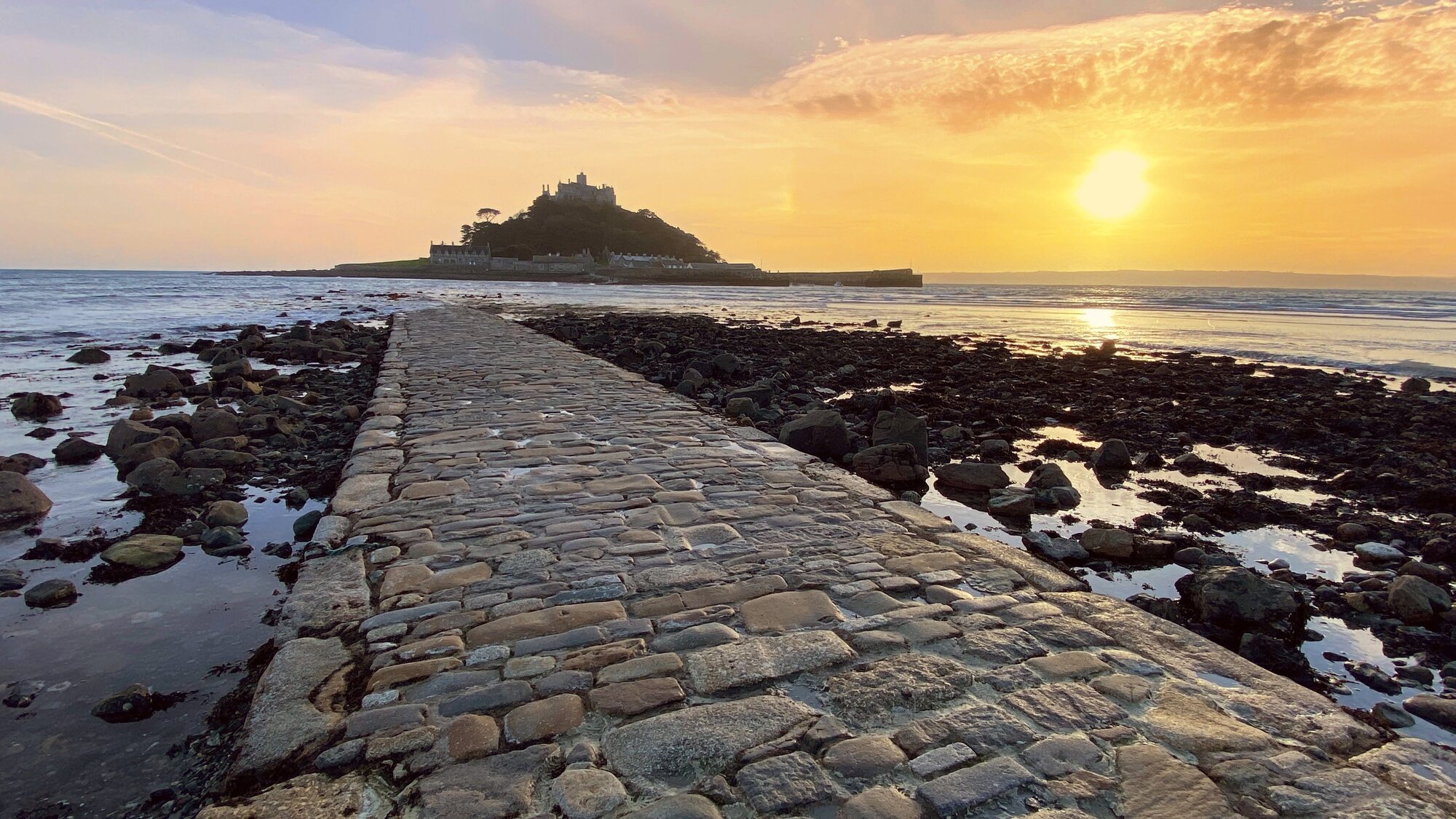
Cornwall's wild west is exactly what it says it is: wild, windswept, and always ready to take your breath away. This is the end of the country. The tip. The most southerly point of mainland Britain is on the Lizard Peninsula; Land's End speaks for itself. Hidden coves and beaches shine on a sunny day and endure nature's wrath in the stormiest. Inland, the Penwith moors hold some of Britain's oldest standing stones and stone-age field systems. Off the land, St Michael's Mount rises from Mount's Bay like a fairytale.
This is also artist country: St Ives has been a major British art colony since the late 19th century, and the wild-west light is what brings them. The Tate St Ives, the Barbara Hepworth Museum, the Newlyn School and the Penlee Gallery in Penzance all sit within fifteen miles.
Stay on the wild west if you want: dramatic cliffs and exposed coast, the artist scene at St Ives, ancient megalithic landscapes, the Tin Coast (Levant, Botallack, Cape Cornwall), the Lizard's distinctive geology, Sennen Cove for surf, sub-tropical gardens at Trengwainton.
Don't stay on the wild west if you want: to easily explore the rest of Cornwall (drives are long from here), gentle weather (more exposed than the south), large-resort accommodation choices.
The headline wild-west bases are St Ives (gorgeous but very busy in summer; smaller than first-timers expect), Penzance (the practical base, with rail link, harbour and good food), Mousehole (the most photogenic small fishing village in Cornwall), Sennen Cove (Land's End surf base), the Lizard village itself (quietest of all), and Helston (inland market town, gateway to the Lizard).
For a day-trip itinerary covering this coast, see our Lizard Peninsula one-day road trip and the ancient walks of Penwith.
The best places to stay in Cornwall, by traveller type
A simple shortlist of who should stay where, drawn from years of guests asking the same questions:
- Couples wanting peaceful and slow: serene south. Falmouth, the Helford, the Roseland.
- First-time Cornwall visitors: serene south. Falmouth as the most flexible single base.
- Surfers and big-beach lovers: rugged north. Polzeath, Newquay, Sennen Cove (technically wild west but counts).
- Foodies: rugged north (Padstow) or serene south (Falmouth). Both have national-name restaurants and strong indie scenes.
- Photographers and artists: wild west. St Ives for the light, the Tin Coast for the drama, Penwith for the megaliths.
- Walkers (SWCP): any zone, the path runs through all three. Most dramatic stretches are the wild west and the rugged north.
- Garden lovers: serene south. The Helford-Falmouth gardens cluster is one of the best in the UK.
- National Trust members: any zone. Membership transcends region (see our National Trust guide to Cornwall) and parking alone usually pays for itself in a week.
- Visitors without a car: serene south. Falmouth has direct rail and the Fal River ferry network.
- Storm-watchers and wild-weather lovers: wild west or far north. Porthleven, Land's End, Crackington Haven.
- Families with younger children: rugged north for the busier resort towns and big surf beaches. Serene south for the quieter, gentler beaches and gardens.
- Stargazers: Bodmin Moor (a designated Dark Sky Landscape), or anywhere rural and away from Newquay.
The best base for a Cornwall holiday: the case for the south coast
For most week-long Cornish holidays, the Falmouth area on the south coast is the strongest single base, and the geographical reason is simple: it sits at the junction of all three of Cornwall's zones. From here, you can be at Land's End, Padstow or the Eden Project within an hour in three different directions. If you want to see the breadth of Cornwall in a single week, no other base puts you so centrally.
The town itself has the food, the harbour, and the museums for slower days. The sub-tropical gardens cluster sits within ten minutes' drive. The South West Coast Path runs through the town's beaches. The Lizard is 30 minutes south. Helston, the gateway to the Lizard and the wild west, is ten minutes by car.
If, on the other hand, you know exactly which corner of Cornwall you want to spend the week in, base yourself in that zone directly. Padstow has the food scene, St Ives has the art and the light, Penzance has the rail link and the Penwith access, Polzeath has the surf. For a focused single-zone holiday, base in the zone. For the broadest, all-Cornwall experience in one week, the answer the geography gives you is the south coast and the Falmouth area.
What kind of accommodation suits a Cornish holiday
Cornwall offers the full range, from boutique hotels in Padstow and St Ives to classic B&Bs in every town, glamping under the stars on Bodmin Moor, and a long tradition of self-catering cottages across the countryside. For couples on a slow break, self-catering cottages are usually the strongest call: your own kitchen, no other guests, the rhythm of the day in your own hands, and the option to come and go without a hotel reception checking you in.
Within self-catering, a small collection of cottages in a quiet rural setting offers something distinctive: gardens and meadows on the doorstep, a noticeably quieter night than even the most peaceful village, and the slow-travel feel of countryside without the isolation of an off-grid farmhouse.
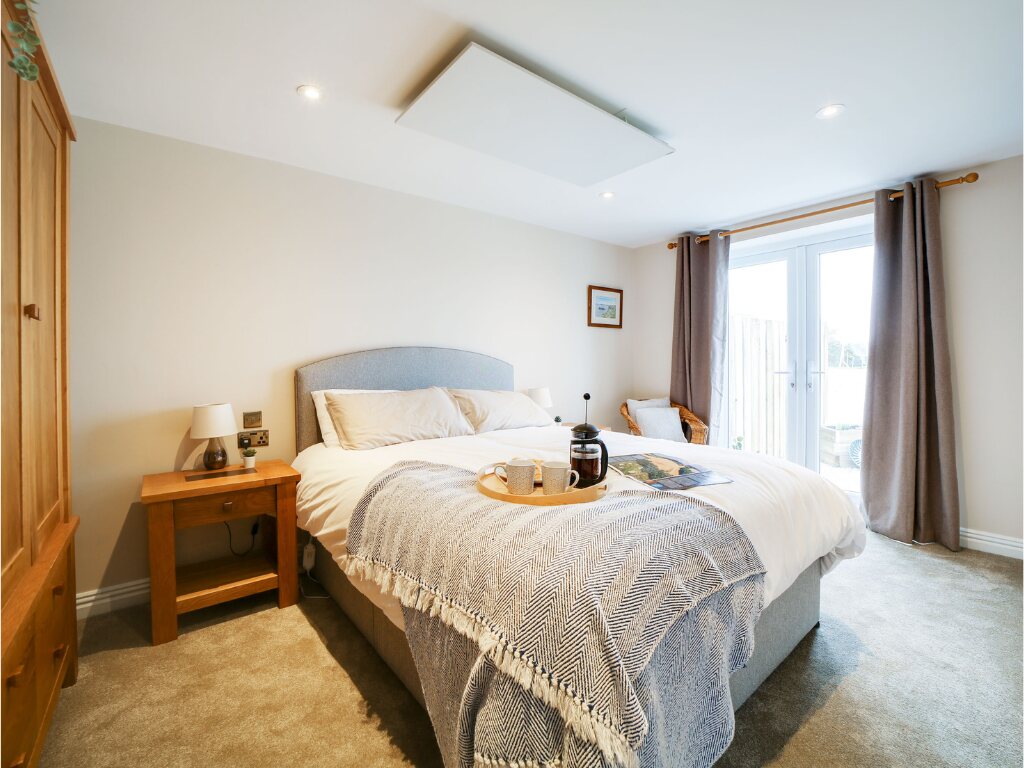
Trewena Cottages are a small collection of cottages set across three acres of garden and meadow on the rural edge of Falmouth. Three one-bedroom cottages, a private garden, ten minutes' drive from the harbour, five minutes from the Helford-side gardens, and the South West Coast Path on the doorstep. Trewena sits effectively at the junction of Cornwall's three zones: the serene south on the doorstep, and Land's End, Padstow or the Eden Project all within an hour from the front door. Few bases in the Duchy give a single cottage such enviable all-county access. For couples, foodies, walkers, NT members and slow-travellers in particular, this is the geography we'd choose. (We did, in fact.)
Plan your visit
For more on each region:
- Falmouth and the south coast: things to do in Falmouth (local's guide), Top 20 things to do in Falmouth, the best beaches near Falmouth, walks near Falmouth and Penryn, the best restaurants in Falmouth.
- The wild west and the Lizard: the Lizard one-day road trip, ancient walks of Penwith, hiking the Lizard Peninsula, St Michael's Mount.
- The rugged north: the best surfing spots in Cornwall, the best beaches near Falmouth (for the south-coast comparison), the best South West Coast Path walks.
- Across all three zones: the National Trust guide to Cornwall, the Cornwall and Falmouth weather guide, reasons to visit Cornwall in winter, why an autumn visit to Falmouth in Cornwall is perfect for couples, a visitor's glossary of Cornwall.
- For couples specifically: cottages for couples near Falmouth (the audience overview comparing all three Trewena cottages), Cornwall for couples, a long weekend in Cornwall for couples, Cornwall in autumn for couples.
For the brand and booking side: see our three cottages in their quiet rural setting on the edge of Falmouth, or drop us a message about availability and the right week for the kind of break you have in mind.
Tags
Stay in touch
Occasional Cornwall updates from Rich at Trewena. Around four times a year, never more.
Planning a trip to Cornwall?
Three one-bedroom cottages on a smallholding on the edge of Falmouth. A genuine Cornish base for couples and singles.