The Lost Gardens of Heligan: A Visitor's Guide to Cornwall's Most Romantic Restoration

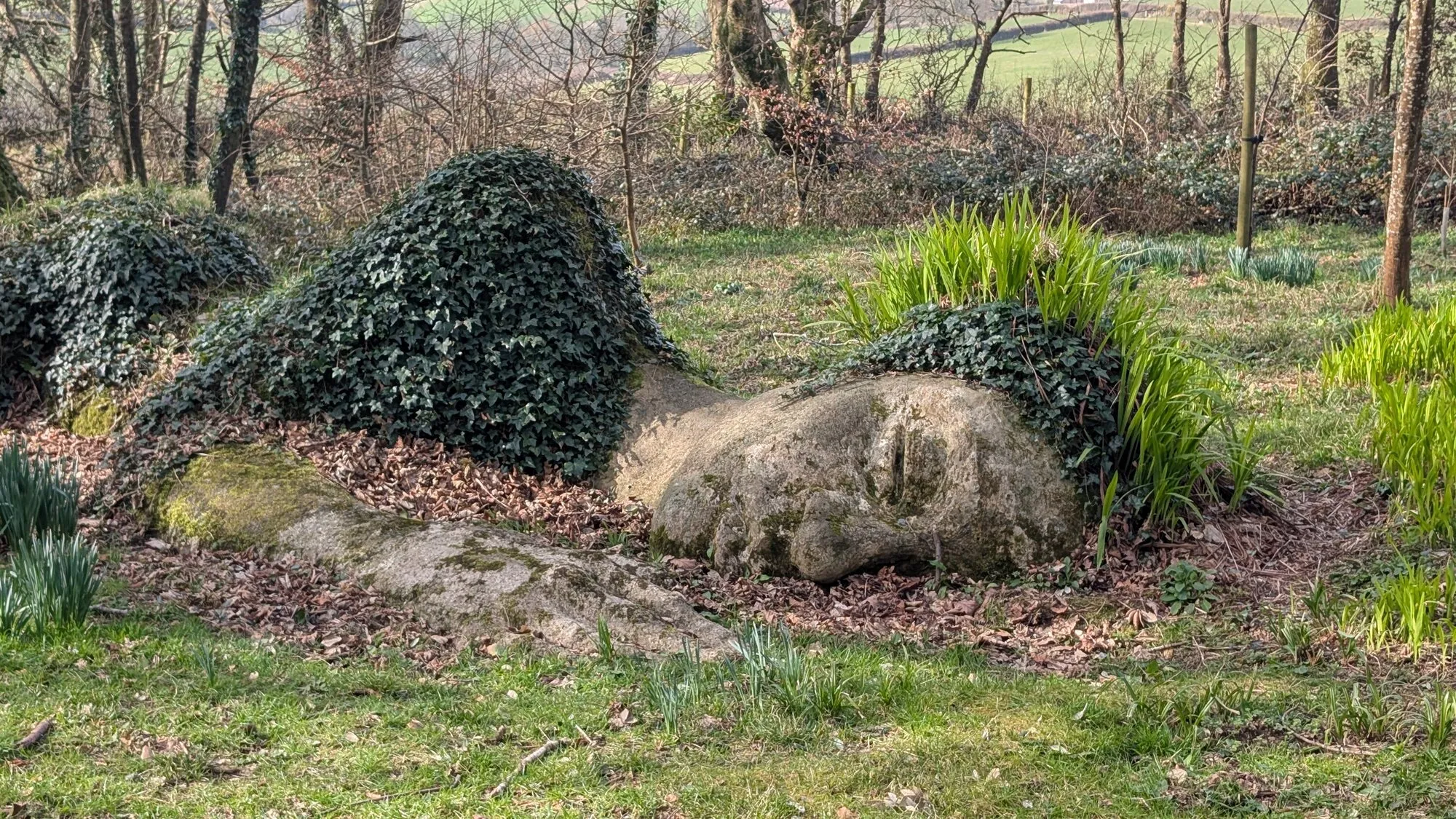
The Lost Gardens of Heligan are one of the great British garden stories: a 1,000-acre Edwardian estate near Mevagissey, abandoned to undergrowth for nearly 80 years after the First World War, then painstakingly restored over three decades from 1990 onwards. The result is a garden experience unlike any other in the UK, with the restoration itself part of the narrative every visitor walks through. Sub-tropical valleys, productive Victorian gardens, world-famous moss-and-living-plant sculptures, and one of Cornwall's most child-friendly estate visits.
This is a visitor's guide to Heligan: the headline features, what to plan for, how it compares to the Eden Project, and how it fits into a wider Cornwall itinerary.
What it is
The Heligan estate was the country seat of the Tremayne family for around 400 years, with gardens developed across the 18th and 19th centuries. The First World War devastated the estate's gardening workforce; most of the 22 gardeners who signed up did not return. The family closed the gardens, sold the estate, and the elaborate horticultural infrastructure was reclaimed by undergrowth across the next 80 years.
In 1990, Tim Smit (later the founder of the Eden Project) and John Willis (a Tremayne descendant) discovered the original walled gardens, productive plots, glasshouses and tropical valley still recognisable beneath the rubble. The restoration, led by Smit and a team that grew over the years, has been one of the most-watched horticultural projects of the modern era. The gardens reopened to the public in 1992 and have been progressively restored since.
The site is owned and operated by Heligan Gardens Ltd as an independent trust, separately from the Eden Project (Smit's other Cornish project). It is not a National Trust property; NT membership does not cover entry.
Where it is and how to get there
Heligan is at Pentewan, near Mevagissey on Cornwall's south coast. From Falmouth it is around 50 minutes by car (A39, then A390 east via Truro and St Austell). From the A30 it is signposted at the St Austell turn-off. There is a large free visitor car park on site.
The nearest railway station is St Austell, with a connecting bus service (the Heligan Hopper) running through summer. For visitors without a car, this is a feasible day-trip from a Falmouth or Truro base by rail and bus.
What to see
Allow at least three to four hours, longer if you walk the full estate. The site is genuinely large and divides naturally into several distinct areas:
The Pleasure Grounds and the Northern Gardens
The walled gardens around the original Heligan house, the productive Vegetable Garden (worked using period-accurate Victorian techniques), the Pineapple Pit (one of the few working examples in the UK), the Melon Garden, the Italian Garden with its central pool, and the celebrated rhododendron-and-camellia collections. This is the most concentrated horticultural area and where most visitors spend the first hour or two.
The Jungle valley
A steep sub-tropical valley descending towards the village of Heligan Mill, with tree ferns (some of the largest in the UK), giant gunnera, bamboo and palms forming a dense, almost prehistoric canopy. The rope bridge halfway down is the photographed moment. This is the part of Heligan that feels least like a traditional UK garden and most like the original Smit vision: rough, atmospheric, immersive.
The Mud Maid and the Giant's Head
The two most famous features at Heligan, and possibly the most photographed garden sculptures in Britain. Both were created in the late 1990s and have grown into the landscape over decades, with mosses, ivy and small plants gradually colonising the figures' surfaces. The Mud Maid (sleeping in the woodland, hair of grass and ivy) and the Giant's Head (rising from the leaf litter) are unforgettable.
The Lost Valley and the Woodland Walks
Beyond the formal gardens, the Lost Valley and the wider Woodland Walks add another two miles of trails through restored woodland, past the Bee Boles, the Charcoal Burner's hut, restored woodland glades and the small Hide for wildlife observation. Quieter than the headline gardens; worth the extra hour.
The estate's productive working gardens
Heligan still operates as a working estate: the productive gardens supply the on-site kitchen, the farm shop sells what's grown, and the rare-breed farm animals (Tamworth pigs, Black Shire horses, native chickens and sheep) live on the estate year-round. This active-working-estate dimension is part of what makes Heligan distinct from a pure-display garden.
Visiting practicalities
Tickets are valid for unlimited return entry within seven days of the first visit, useful if you're staying in Cornwall for a longer holiday and want to break up the visit across two days.
Opening hours typically run 10am to 5pm year-round, with reduced winter hours and a small number of closure days around Christmas. Check heligan.com before visiting in winter.
Accessibility: the main paths around the Pleasure Grounds are buggy-and-wheelchair-friendly. The Jungle valley and the Lost Valley have steeper, rougher terrain not suitable for all mobility levels. The cafe and farm shop are fully accessible.
With children: among the most child-friendly garden estates in Cornwall. The Mud Maid, Giant's Head, rope bridge, farm animals and woodland trails all reward exploring. Children's activities run through school holidays. Buggy-friendly on the main paths.
The Heligan Kitchen on site is substantial: meals made with ingredients from the productive gardens, with seating both indoor and out. The farm shop sells produce, books, plants and gifts. Both bookable for non-garden visitors.
When to visit
The gardens reward different seasons.
Spring (March to early June) brings the camellias, magnolias, the bluebell wood and the rhododendron collection at peak. Probably the strongest single window.
Summer (June to early September) is the busiest and the most colourful, with the productive Vegetable Garden at full output and the Jungle valley at its most lush. School holidays are properly busy; arrive at opening or after 3pm to avoid the crowd peaks.
Autumn (September to November) brings golden colour through the woodland walks and the calmer pace returns once schools go back.
Winter (December to February) is the quietest and oddly atmospheric: the Mud Maid and the Giant's Head take on different character in low winter light, the Jungle valley dramatic in mist, the productive gardens at rest. Strong for photographers.
Beyond Heligan
For the wider south-coast garden cluster, see our Lost Gardens of Heligan and Eden Project pairing note and the broader National Trust guide to Cornwall (covering Trelissick, Glendurgan and the rest).
For the area around Heligan, the harbour village of Mevagissey is ten minutes south for a fishing-village lunch, and Charlestown with its tall ships is ten minutes north. The Eden Project is 25 minutes north and pairs naturally with a Heligan visit as a two-day garden trip.
For a longer Cornish itinerary using Heligan as a stop:
- A long weekend in Cornwall for couples, with Heligan as an arrival-day or departure-day detour stop on the drive in or out.
- The best places to stay in Cornwall for the wider regional context.
- Visiting the Eden Project, Heligan's sibling-by-Smit estate, 25 minutes north.
- Things to do in Falmouth (local's guide) for the home-base nearest the Heligan day-trip.
For tickets, opening hours and the current event programme, the official site is heligan.com.
Tags
Stay in touch
Occasional Cornwall updates from Rich at Trewena. Around four times a year, never more.
Planning a trip to Cornwall?
Three one-bedroom cottages on a smallholding on the edge of Falmouth. A genuine Cornish base for couples and singles.