The Best Surfing Spots in Cornwall

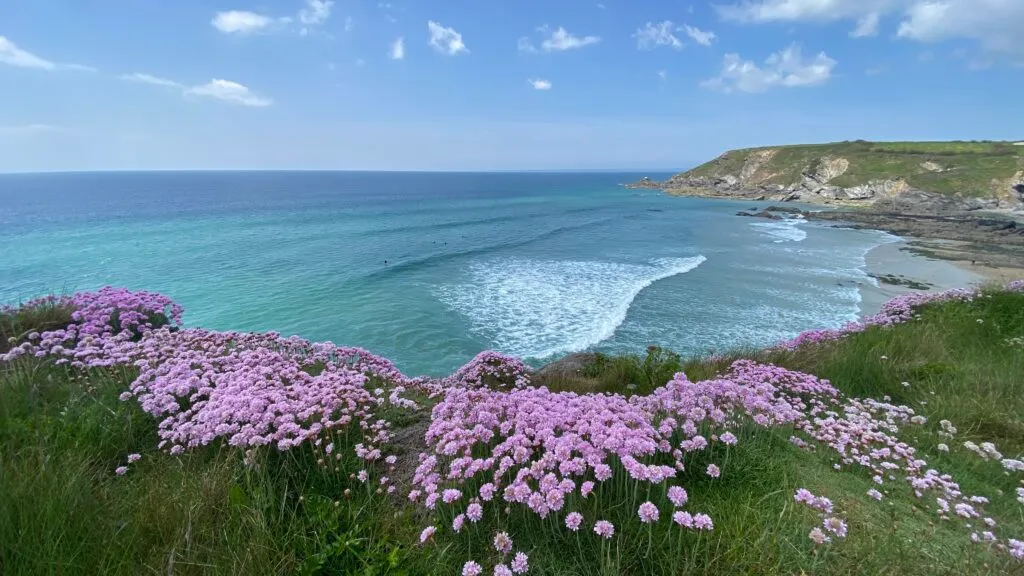
Cornwall has been the spiritual home of British surfing since the 1960s, and with 422 miles of Atlantic-facing coastline and a string of beaches that catch swell from every direction, the reputation is well earned. Whether you are paddling out for the first time at a gentle beach break or chasing reef waves that lift Cornish surfers onto international podiums, there is a spot here that fits. Ten of the best are sorted by skill level below, along with the resources you should bookmark before you head out.
Before you head out
A handful of free websites will tell you almost everything you need to know about whether today is going to be your day:
- Surf forecast: Surfline for swell size, period, wind direction and tide on one screen, by spot. Surfline absorbed Magicseaweed in 2023 and is now the de-facto UK forecast.
- Tide times: tidetimes.org.uk is the easiest free tide-table site for UK beaches. Most Cornish breaks favour mid-tide on either the push or the drop.
- Weather and marine conditions: the Met Office coast and sea forecast covers wave height, wind and visibility for inshore waters around Cornwall.
- Lifeguard cover: RNLI lifeguarded beaches finder shows which beaches are patrolled and on which dates. Cover usually runs from late spring to early autumn, but always check before you go.
If you are new to Cornish water, our seaside safety guide covers rip currents, flag colours and what to do if things go wrong. Surf between the red and yellow flags, never the black and white ones, which mark the surfboard zone away from swimmers.
Beginner-friendly beaches
These three are the classics for first-time and improving surfers. Sand bottoms, long forgiving waves on the right day, and busy summer surf schools mean there is no shortage of advice on hand.
Sennen Cove
Sennen Cove sits at the very tip of the Penwith peninsula, a wide horseshoe of white sand catching swell straight off the Atlantic. The waves are usually generous rather than punishing, especially in summer, and the long sandy bottom makes wipeouts feel a lot less dramatic. With surf schools right on the beach and clean water on most days, it is many people's first taste of Cornish surfing. The drive out through Penwith is part of the experience.
Polzeath
Polzeath, on the north coast just across the Camel estuary from Padstow, is a wide flat-bottomed beach that sees small, gentle waves on most summer days. The shallow gradient means whitewater rolls a long way in, which is exactly what beginners need to find their feet. Polzeath is one of the busiest learner beaches in the country during August, so an early start pays off.
Perranporth
Perranporth's two-mile sweep of sand offers more elbow room than almost any other surf beach in Cornwall. Waves here are typically clean, long and easy to read, and the village behind the dunes has cafes, surf hire and the famous Watering Hole pub on the sand for an after-surf pint. Big swells here can produce surprisingly heavy beach-break waves, so check the forecast and respect the day's conditions.
Beaches for all levels
A small group of Cornish beaches genuinely deliver for everyone, from first-timers in the white water to advanced surfers chasing the bigger sets further out.
Fistral Beach
Fistral in Newquay is the most famous surf beach in the UK and home to the annual Boardmasters festival and competition. The bay catches swell from any direction, and on a good day you will find clean beach-break peaks across the whole beach plus the heavier Cribbar reef break working off North Fistral in winter. Beginner lessons run from the south end, while intermediates head to the middle and experts pick off the peaks at the north.
Gwithian
Backed by tall dunes and looking out across St Ives Bay to Godrevy Lighthouse, Gwithian is one of Cornwall's most photogenic surf spots. The waves are gentle and long at low tide, ideal for novices, and pick up speed and shape as the tide pushes, drawing intermediate surfers as the day goes on. The wide beach swallows crowds easily.
Intermediate to expert breaks
These spots reward technique and start to bite when conditions get serious. They are not impossible for committed improvers on small, clean days, but pick your moment.
Praa Sands
Praa Sands is a south-coast beach that comes alive on south-westerly groundswells, when it can produce fast, hollow beach-break waves with real shape. The white sand and dramatic cliffs make it one of the prettiest spots on the south coast, and the lack of summer crowds (most surfers default to the north coast) is a quiet bonus. Conditions here change quickly with the tide, so pick your window.
Porthmeor Beach
Porthmeor faces directly into the Atlantic from the heart of St Ives, picking up almost any westerly or northerly swell. On a good day it produces hollow, fast-breaking waves that draw a strong local crew, and the proximity to the Tate gallery, the harbour and the rest of St Ives makes it an easy combined surf-and-culture day. The beach gets busy in summer but the lineup tends to thin out by late afternoon.
Porthtowan
Porthtowan, a few miles north of Portreath, is a beach break that punches above its weight when conditions line up. It can be fast and heavy at low tide and works on most north-coast swells, drawing committed intermediate and expert surfers. The dramatic dune-and-cliff backdrop is the visual signature of the surfing-coast stretch between Portreath and St Agnes.
Expert breaks
These two are reef breaks that get hollow, fast and dangerous in larger swells. They are world-class waves and they are watched, photographed and respected by the local crew. Paddle out only if you know what you are doing.
Portreath
Portreath has a left-hand reef wave that breaks close to the harbour pier, producing fast, powerful rides when a clean north-westerly swell meets a low tide. It is rarely friendly and the takeoff is unforgiving, but it is one of the most photographed waves in Cornwall and a magnet for the country's best surfers when it is on.
Porthleven
Porthleven is the headline expert wave in the south-west and arguably in the UK. The right-hand reef break in front of the harbour wall produces square, hollow barrels in clean groundswells, and on its day it is comparable to anywhere in Europe. It is also unforgiving in every sense (shallow reef, hard takeoff, crowded lineup), and the local crew take priority. Watch from the harbour even if you are not surfing. When Porthleven is firing, it is one of the great spectacles in British surfing.
Wetsuits and water temperature
Cornish water never gets warm. Sea temperatures range from around 8 to 10C in late winter to 16 to 18C in late summer, which means a wetsuit is essential year-round. As a rough guide:
- June to September: 3/2mm summer suit, often with bare hands and feet.
- April to May and October to November: 4/3mm with optional boots.
- December to March: 5/4mm hooded, with boots and gloves. The water stays cold well into spring, so don't trust the air temperature.
Local surf shops in Newquay, Falmouth and St Agnes hire boards and wetsuits by the day or week if you are travelling without kit.
Beyond surfing
If you love the Cornish coast in surf mode, you will probably also enjoy our guides to the best places to paddleboard in Cornwall, the best wild swimming spots in Cornwall and the best beaches near Falmouth. Many of the same beaches that fire on a winter swell are sheltered, glassy and perfect for a paddle or a long swim on the right day in summer.
Tags
Stay in touch
Occasional Cornwall updates from Rich at Trewena. Around four times a year, never more.
Planning a trip to Cornwall?
Three one-bedroom cottages on a smallholding on the edge of Falmouth. A genuine Cornish base for couples and singles.