Old Cornish Superstitions and Folklore: Piskies, Knockers and the Old Beliefs

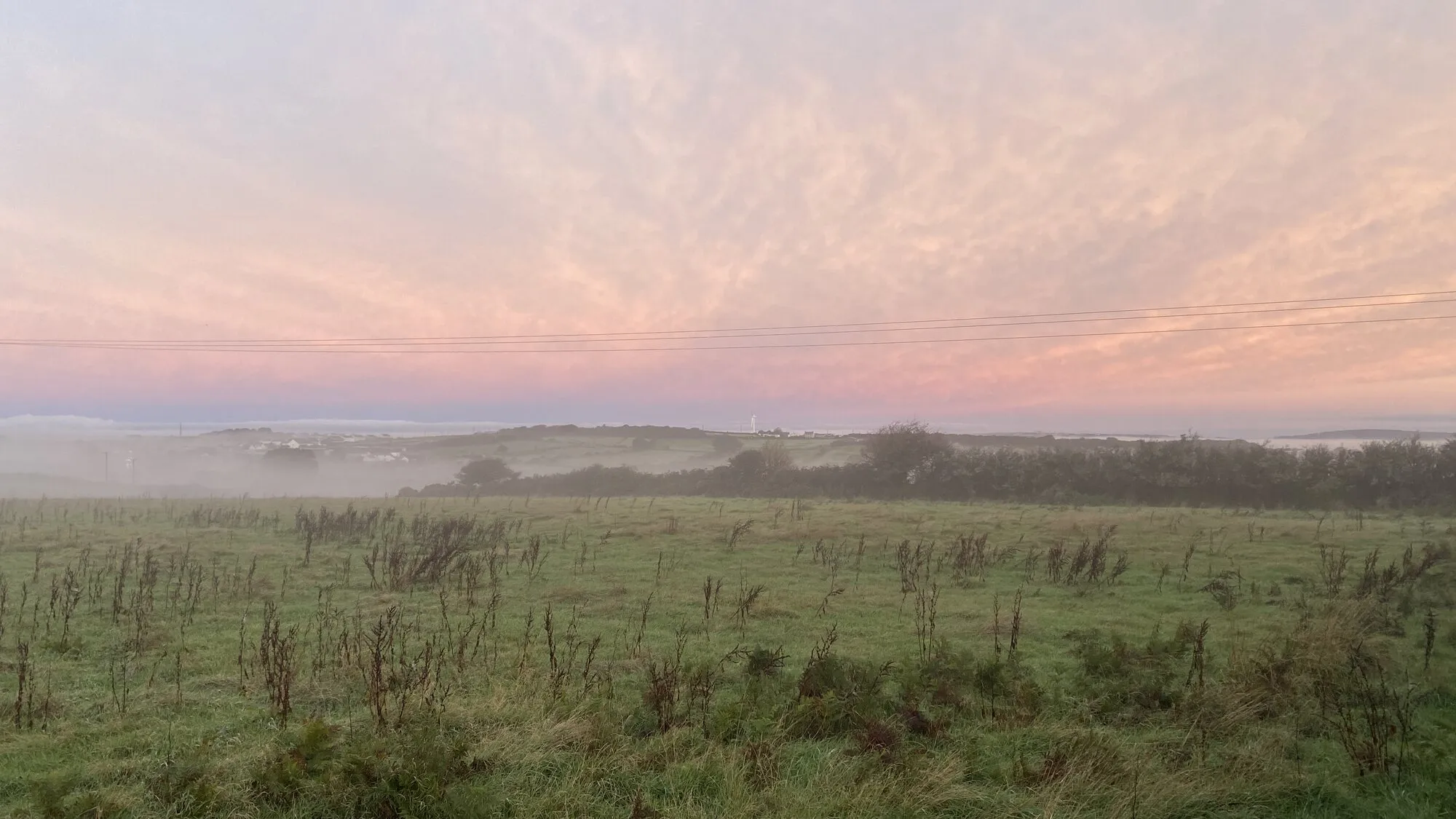
Cornwall has always been a place apart, a Celtic county at the far end of Britain with its own language, its own saints and, for a very long time, its own web of superstitions and folklore. Standing stones sit in the fields, holy wells trickle in the woods, and the mist that rolls in off two coasts has a way of making the old stories feel close. We live out among all this, on the misty edge of Falmouth, so here is a friendly tour of the beliefs and the folk that fill Cornwall's imagination.
A county of the old ways
Long before the chapels, Cornwall kept a foot in an older world. Its pre-Christian past survives in burial chambers, stone circles and standing stones, and in a cast of folk characters that every Cornish child once knew. The county clung to superstition longer than most, partly through isolation and partly through the two industries that shaped it: mining and fishing, both dangerous trades where a little luck felt worth courting.
The folk of Cornwall
A few characters turn up again and again in the old tales:
- Piskies are Cornwall's fairy folk, small and mischievous, famous for leading walkers astray at dusk. To be piskie-led is to get hopelessly lost on ground you know well; turning your coat inside out was said to break the spell.
- Knockers, or knackers, are the spirits of the mines. Miners believed the knocking deep in the rock was the knockers at work, guiding you to a rich lode or warning of a fall. You kept them sweet by leaving the last crust of your pasty and never whistling underground.
- The Cornish chough, a red-billed crow on the county's coat of arms, carries the legend that King Arthur lived on in its form, his blood staining its bill and legs. Killing one was deeply unlucky. It vanished from Cornwall for decades and returned to the Lizard in 2001, to great local delight.
- The Bucca was a sea spirit of the old fishing communities around Newlyn and Mousehole, left an offering of fish on the beach in the hope of a fair catch and a kind sea.
You will also find cloutie wells, holy wells where rags are still tied to the trees as a wish for healing, and standing stones with their own tales, like the circles said to be dancers turned to granite for merrymaking on the Sabbath.
Luck and money
The old Cornish took their luck seriously, especially where money was concerned:
- On seeing a new moon, turn the coins in your pocket to bring prosperity, though never through glass.
- A silver coin worn in the shoe was thought to bring good fortune.
- Pick up a pin with its head turned towards you for luck; the other way was best left where it lay.
- If your right hand itches you will be receiving money, if the left, you will be paying it out.
- For a lucky start to the day, always put your left stocking on first.
Love, marriage and the home
- Three times a bridesmaid, never a bride, the old warning that still gets a rueful laugh at weddings.
- Wash your blankets in May and you'll wash one of the family away, part of a wider old suspicion of marrying or spring-cleaning in that month.
- Mending your clothes while you are still wearing them was said to sew up trouble, and indicate a coming row.
- It was thought unlucky to turn a feather bed on a Friday or a Saturday, and unlucky to borrow or lend salt.
The sea, the land and the table
In a county that lived off fish and farming, plenty of beliefs attached to both:
- Eat your pilchards from the tail, not the head, to bring the fish back to shore.
- Red-haired people can never make good butter, an old and thoroughly unfair piece of dairy lore.
- An apple at bedtime was reckoned to keep the doctor away long before the modern rhyme, and only cut your hair at the full moon to stop it falling out.
Omens, warnings and the dead
The most atmospheric beliefs concern signs and omens:
- A raven croaking over the house was said to bode ill for the family.
- Dream of the dead and you will hear of the living.
- If your left ear burns you are being spoken ill of, if the right, you are being praised; ringing ears meant hasty news on the way.
- It was unlucky for two people to look in a mirror at once, and a body kept in the house over a Sunday was thought to foretell another death.
None of it is meant as instruction, of course. But read a few on a misty Cornish morning and you can see how they took hold.
Feel the old Cornwall for yourself
The best of this folklore is still out there to find: a rag tied at a holy well, a chough wheeling over the Lizard cliffs, a standing stone in a quiet field. It is part of what makes Cornwall feel like nowhere else. If you like this side of the county, you will enjoy our piece on unusual Cornish place names, many of which carry their own old meanings, and our visitor's glossary of Cornwall.
Plan your visit
- Unusual and funny Cornish place names: the county's oddest names and where they came from
- A visitor's glossary of Cornwall: the local terms worth knowing
- The best base to explore Cornwall: why a central spot near Falmouth reaches the standing stones, holy wells and coast alike
- Cottages for couples near Falmouth: how a Trewena stay works as your base
Come and feel the old Cornwall for yourselves. Our three cottages sit on the quiet edge of Falmouth, well placed for the county's wells, moors and cliffs, or drop us a message about a stay.
Tags
Stay in touch
Occasional Cornwall updates from Rich at Trewena. Around four times a year, never more.
Planning a trip to Cornwall?
Three one-bedroom cottages on a smallholding on the edge of Falmouth. A genuine Cornish base for couples and singles.