The Cornish Seal Sanctuary

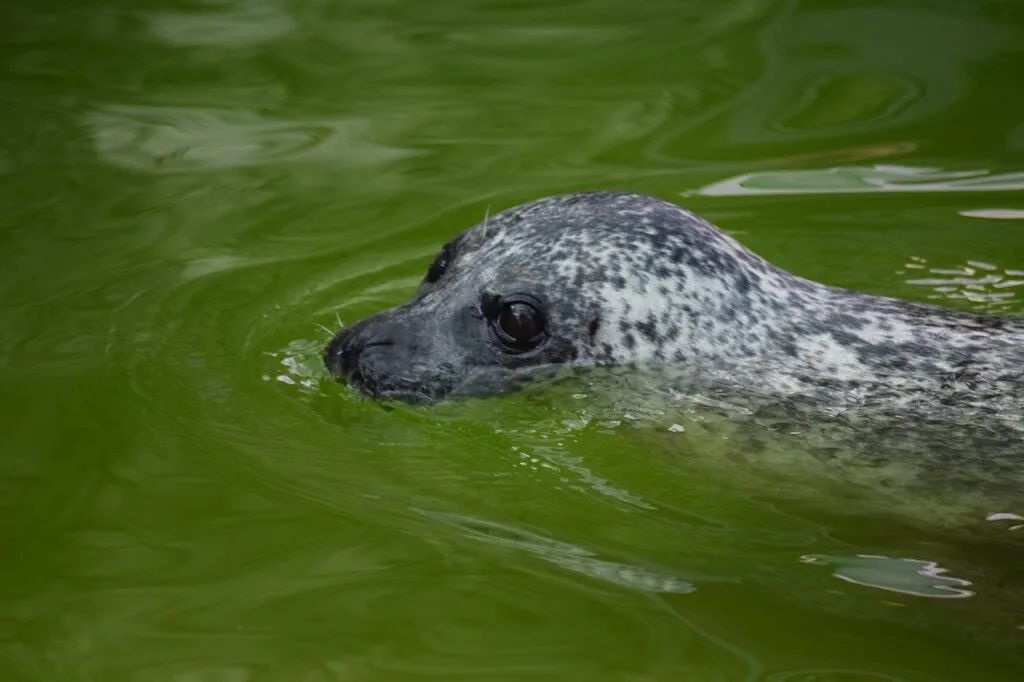
The Cornish Seal Sanctuary at Gweek has been rescuing, rehabilitating and releasing seal pups since 1958, when its founder Ken Jones started taking in stranded animals on the beaches around St Ives. Today, run by the charity Sea Life Trust, it is the largest seal rescue centre in the UK and one of Cornwall's most rewarding family days out. Alongside the seals you will find sea lions, penguins, otters and beavers, a large adventure playground, a petting zoo overlooking the Gweek valley, woodland walks down to the Helford and picnic spots scattered through the grounds.
Where it is and how to get there
Gweek sits at the head of the Helford river, just inland from the upper reaches of the Lizard Peninsula. From Falmouth and from Trewena it is about 25 minutes by car, signposted from the A394 between Falmouth and Helston. There is a large free car park on site.
If you are coming from elsewhere in Cornwall, Gweek is around 10 minutes from Helston, 30 minutes from Penzance and an hour from Newquay. The narrow lanes into the village can get tight in summer, so be patient on the final stretch.
What you will see
The sanctuary is built around a series of pools that hold both permanent residents (former rescues that cannot be safely released) and rehabilitating animals working their way back to the wild. Boardwalks and viewing platforms wind from one pool to the next, with scheduled feeding talks at the largest seal pool through the day, where keepers explain who is in residence and what the rescue work involves.
Beyond the seals, the site is home to:
- Sea lions in their own dedicated pool with underwater viewing.
- Humboldt penguins in a coastal-style enclosure.
- Asian short-clawed otters, often the noisiest residents at feeding time.
- A petting zoo of sheep, goats and ponies that children can usually feed and stroke, set on the upper slope of the site with long views down the Gweek valley to the Helford.
- A beaver enclosure run in partnership with the Cornwall Beaver Project, part of a wider effort to restore beavers to Cornish waterways.
Wild seals are sometimes glimpsed in the river estuary at the foot of the woodland walks, especially on quiet, low-tide afternoons.
The grounds, the playground and picnic spots
The grounds are a big part of why this works as a family day out. The sanctuary occupies a large, sloping site above Gweek, and there is a lot more space than the seal pools alone would suggest.
A large adventure playground sits at the heart of the site, with climbing frames, slides and rope work that keep younger children busy between animal stops. Plenty of families build the visit around it, dropping in to the playground twice or three times across the day.
The woodland walks drop gently from the upper paths down through trees towards the Helford river. They are short and easy underfoot, suitable for buggies on the main routes, and offer the best chance of spotting a wild seal in the estuary below.
Picnic benches are scattered through the grounds and along the woodland edges, with the valley-side spots offering views down to the Helford. Bringing a packed lunch is the relaxed move on a sunny day, although the on-site café and gift shop cover the basics if you would rather travel light.
The petting zoo sits high on the slope and is, for a lot of children, the most photographed part of the visit. Goats and sheep usually approach the rail looking for food, the ponies stay further back, and the view over the Gweek valley behind them is one of the best on site.
When to visit
The sanctuary is open year-round, but the experience changes with the season.
Pup season (late September to December) is the headline window. Most rescued grey seal pups arrive at the sanctuary during the autumn storms and stay for several months of rehabilitation before being released back to the wild. If you want to see the rescue work in action, this is the time to come.
Spring and early summer are quieter, with fewer rehab residents but plenty of permanent animals and a lighter visitor footprint. The petting zoo, the playground and the woodland walks are at their best when the trees are in leaf.
Summer school holidays are busy. Booking ahead is sensible and an early arrival is rewarded with a slot at the first talks of the day and a freshly opened playground before it fills up.
For current opening hours, ticket prices and the daily schedule, the official site is cornishsealsanctuary.co.uk.
If you find a stranded seal pup
Cornwall's beaches see seal pups regularly through autumn and winter, and not every pup on the sand is in trouble. Mothers leave pups alone for stretches between feeds, and a healthy pup left to itself is more likely to survive than one that has been disturbed.
If you do find a pup that looks injured, weak or genuinely abandoned:
- Keep at least 100 metres away.
- Keep dogs on leads and away from the animal.
- Do not try to return it to the water.
- Call British Divers Marine Life Rescue (BDMLR) on 01825 765546.
BDMLR coordinates marine mammal rescues across Cornwall and will dispatch a trained medic to assess the animal. Many of the seals you will see in rehabilitation at Gweek arrived this way.
Beyond the sanctuary
If you enjoyed the sanctuary, you will probably also enjoy our guides to the best nature and wildlife spots in Cornwall and a birdwatcher's guide to Cornwall's garden birds. For a longer day out around Helston, a walk on the Penrose Estate ten minutes down the road pairs naturally with a sanctuary visit, and the Lizard road-trip itinerary folds Gweek in as an easy first stop.
Tags
Stay in touch
Occasional Cornwall updates from Rich at Trewena. Around four times a year, never more.
Planning a trip to Cornwall?
Three one-bedroom cottages on a smallholding on the edge of Falmouth. A genuine Cornish base for couples and singles.